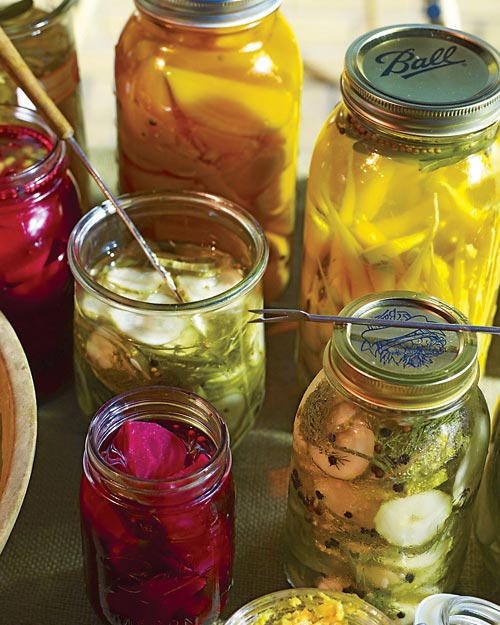
These keto refrigerator pickles sit in a sugar-free vinegar brine and land under 1 gram of net carb a serving, with none of the sugar a bread-and-butter jar hides. No canning, no water bath, no overnight ferment. You slice the veg, warm a quick brine, and let the fridge do the rest in a day or two.
I have a fridge full of veggies and I feel like being adventurous, so I am thinking about trying my hand at pickling. Pickles are a great Low Carb treat, but I have never tried making my own. I have made pickled eggs before and I absolutely loved them, so why not try my hand at pickling other veggies. From what I have read, you start with a simple brine and then add a mixture of complementary spices. I think I will start with trying cauliflower and green beans. Does anyone have any tips or tricks for pickling? Since pickling veggies doesn't happen overnight I will have to leave all of you in suspense for now. Check in soon to see my success with pickling.
Refrigerator pickles, not a ferment
From what I have read since, the simple brine I was after is the refrigerator kind, and that is the one to start with. You pour a vinegar brine over the cut vegetables, chill the jar, and they are ready in about a day. That is a different animal from the crock pickles that bubble away on the counter for a week. Fermented pickles sit at room temperature and let wild bacteria sour them slowly, which takes longer and asks for more care. The fridge method skips all of that. The vinegar does the souring, the cold keeps everything safe, and you taste the result tomorrow instead of next week.
The trade is shelf life. A canned, water-bath pickle lives in the pantry for a year. These do not. They stay in the refrigerator the whole time and want eating within about 2 weeks, so make a batch you will actually finish. If you are like me and you keep a fridge stocked for snacking, that is no hardship at all.
A sugar-free brine that still tastes like a pickle
Most pickle brines, even the dill ones, carry a spoon of sugar to round off the vinegar bite. On a Low Carb plan that sugar is the one thing you skip, and the swap is easy. Allulose stands in closest to sugar here, since it dissolves clean and does not leave that cooling note erythritol can. Erythritol works too, just know it may recrystallize a touch once the jar goes cold. Monkfruit blends behave like whatever they are cut with, usually erythritol, so read the bag.
You need less than you would think. A teaspoon or two for the whole batch is plenty, because pickles only want a hint of sweet to balance the sour, not a candy coat. The brine itself is the simple one I read about, scaled for two jars:
- 1 cup vinegar at 5% acidity, white or cider, the strength that keeps the pickles safe in the fridge
- 1 cup water and 1 tablespoon salt
- 1 to 2 teaspoons allulose or erythritol, plus garlic, dill, and peppercorns
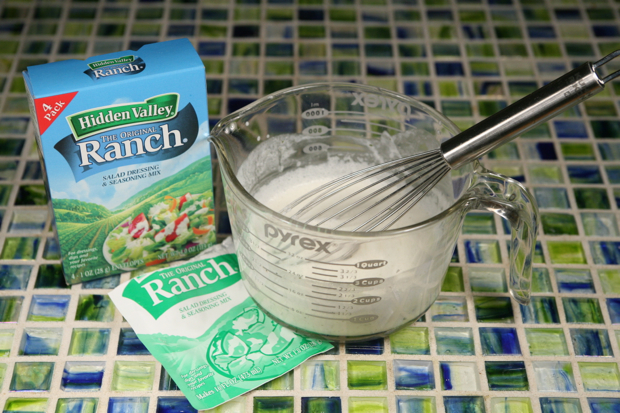
That ratio carries cucumber, cauliflower, and green beans, all at the same time. For a creamy dip to serve alongside, a batch of homemade ranch dressing keeps the whole snack board Low Carb.
The crisp-not-mushy fix the recipes skip
The complaint I keep seeing about homemade pickles is the same one every time: they come out soft. The recipe cards that just say pour and chill leave out why, so here is the part that matters. The blossom end of a cucumber, the end opposite the stem, holds enzymes that soften the flesh as it sits. Trim at least a sixteenth of an inch off that end and discard it. That one cut does more for crunch than anything else.
A few more moves stack on top of it:
- Soak the cut vegetables in ice water for an hour or two before they go in the jar. Cold, firm veg pickles up crisper than limp veg does. Do not leave them soaking all day, though.
- Drop a tannin source in each jar. A grape leaf, an oak leaf, a bay leaf, or even a pinch of black tea works. The tannins hold back the softening enzymes the same way they do in a fermented crock.
- Keep the brine warm, not boiling. For refrigerator pickles you are not cooking the vegetables, you are bathing them, and boiling brine poured over raw cucumber is a fast track to mush.
Pack everything tight so no piece pokes above the brine, since exposed vegetables go soft and off-color. Fresh cucumbers help too. The crisper the cucumber going in, the crisper the pickle coming out. Cauliflower and green beans forgive more here, which is why they are a friendly first batch, and they pickle right alongside a batch of roasted cauliflower or green bean fries on a Low Carb snack night.
Keeping a jar safe in the fridge
Refrigerator pickles are simple, but they are fresh food, not canned goods, so a couple of plain rules keep them right. Use only commercial vinegar at 5% acidity. Homemade or cut vinegar has an unknown acid strength and is not safe to rely on. Use clean jars, sterilized if you want extra assurance, keep the vegetables under the brine, and put the jars in the refrigerator as soon as the brine cools. They are not shelf-stable, they do not go on a pantry shelf, and this is not a canning method, so no claims about a year in the cupboard. Cold storage and about 2 weeks of eating is the honest window.
Pickle these alongside a plate of keto deviled eggs and you have a snack spread that costs almost no carbs. For more ideas in that vein, keep an eye on the low carb snacks roundup and the rest of the sauces, marinades, and dressings on the site.
Sources:
USDA FoodData Central, nutrient reference for cucumber, cauliflower, and green beans
Clemson Cooperative Extension HGIC, Common Pickle Problems (blossom end, tannins, 5% vinegar)
National Center for Home Food Preservation, University of Georgia, refrigerator and quick-pickle guidance