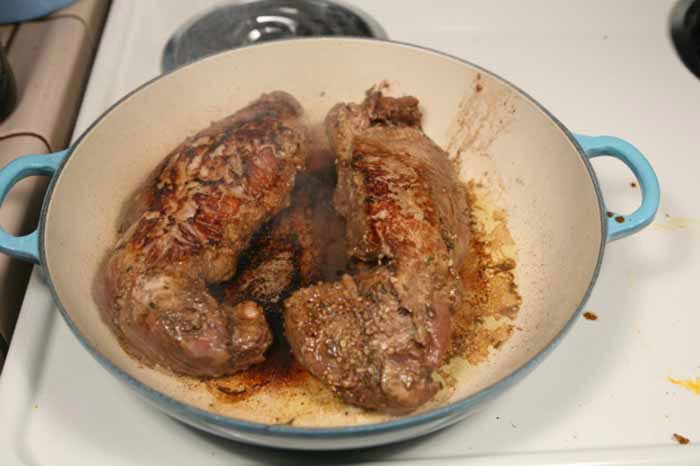
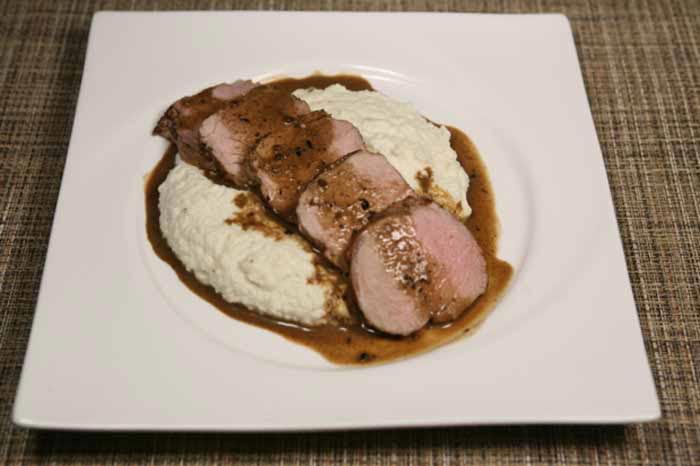
This keto pork loin and gravy plates a marinated, roasted tenderloin over cauliflower mash with a flourless pan gravy, and the whole dinner runs about 9 grams of net carb a serving. The pork itself brings zero carbs; the few that are here come from the mash and the cheeses that make it rich. It eats like a Sunday roast and skips the potatoes and the flour.
I found this recipe when I was looking for a new way to cook pork loin. I love marinade recipes, but most of the time they are full of sugar. Well, this recipe is the rare exception. I made a few small modifications to the original recipe, but all in all it is a great way to cook pork loin. A nice added bonus is the pan gravy made with the drippings. Try it tonight with my cauliflower mash. The cauliflower mash is my go-to stand-in for potatoes from my low carb substitutes guide.
A flourless gravy from the drippings
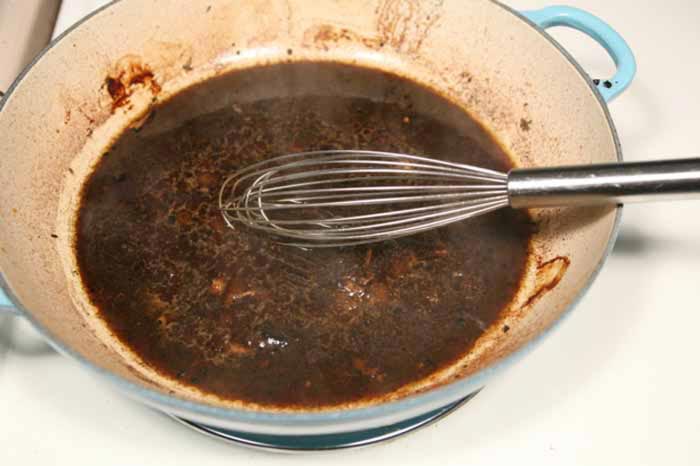
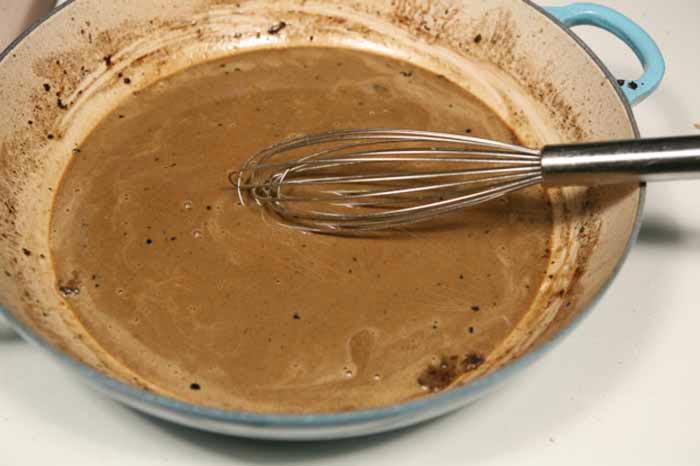
Gravy is where most low carb dinners fall apart, because the old way starts with a flour roux. You do not need it. After the pork rests, set the skillet back on the heat, pour in the chicken broth, and scrape up every browned bit stuck to the pan. That fond is the flavor. Let it cook down for a few minutes so it concentrates, then pull it off the heat and whisk in the heavy cream.
Now you thicken, and you have two ways to do it:
- Cream cheese. Whisk in about an ounce until it melts smooth. It gives the gravy a velvety body and a little tang, and it never breaks. This is my go-to.
- Xanthan gum. If you want it thicker without the dairy, sprinkle in 1/8 teaspoon, a pinch at a time, whisking hard between each. Dump it all in at once and it turns into slime, so go slow and stop when it coats the spoon.
Either way you end up with a real pan gravy, glossy and pourable, made from the pork itself. The same trick carries over to chops and roasts, and it is the same drippings logic behind my homemade turkey broth.
How to keep cauliflower mash from going watery
The number one complaint people have with cauliflower mash is that it comes out soupy. Here is why. Boiled cauliflower drinks up water, and unlike potatoes there is no starch to soak it back up, so you end up spooning a puddle. The fix is in how you cook it and what you do before it ever hits the processor.
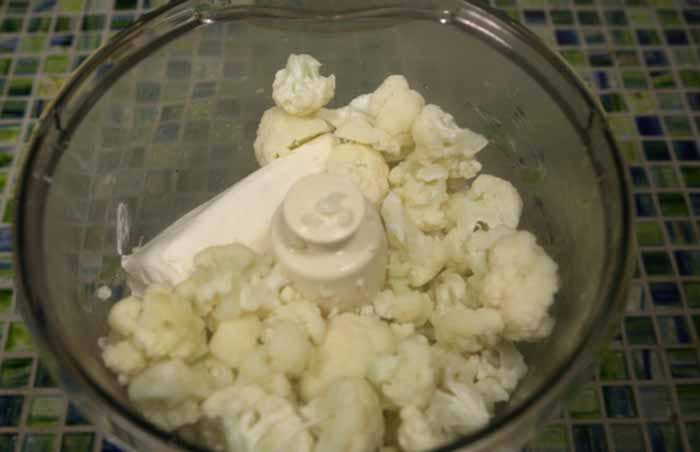
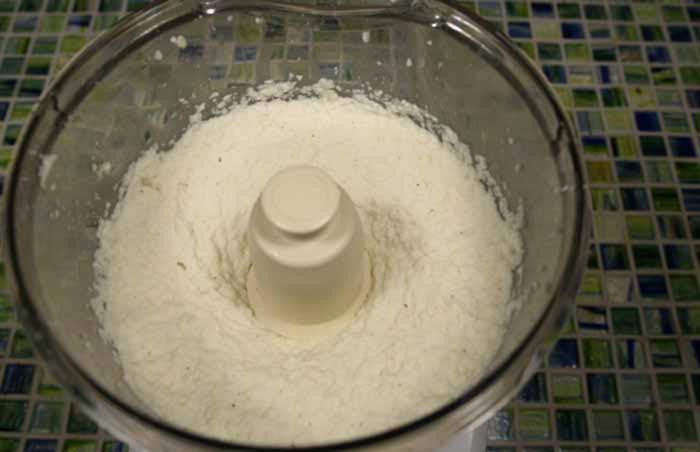
Steam the florets, do not boil them. Once they are fork-tender, drain them and then squeeze them dry: wring them in a clean kitchen towel, or press them in a ricer, until the water stops running. Then process them with the cream cheese and parmesan, and add no liquid at all. The cheeses are what give the mash its body, so do not water it down trying to loosen it. If you are like me and want it even thicker, a little more cream cheese does the job. That pressed-dry, no-liquid mash is what holds a pool of gravy on the plate instead of melting into it.
Why this is a keto Sunday roast
Meat, gravy, and a soft mash is the American Sunday dinner, and cauliflower steps in for the potatoes without anyone at the table feeling shorted. The pork carries the protein, the mash carries the comfort, and the gravy ties them together. Nobody has to give up the plate they grew up with to stay low carb. If you build dinners like this often, my keto comfort dinners hub gathers more of these roast-and-side plates, and the mash works just as well next to a crustless pizza night or any other low carb dinner recipe.
One small but real change from the original: cook the pork to 145°f internal and rest it 3 minutes, not to 150°f on the dot. That is the USDA safe minimum for whole pork, and the rest carries it up to about 150°f anyway, so you get juicy meat and a safe one.
Sources:
USDA FoodData Central, nutrient reference for pork tenderloin, cauliflower, cream cheese, heavy cream, and parmesan
USDA Food Safety and Inspection Service, safe minimum internal temperature for fresh pork (145°f plus a 3-minute rest)
Sugarfreechic test kitchen, flourless pan gravy and pressed-dry cauliflower mash notes