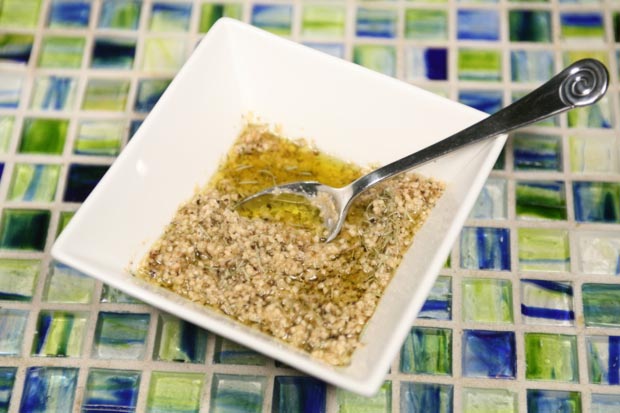
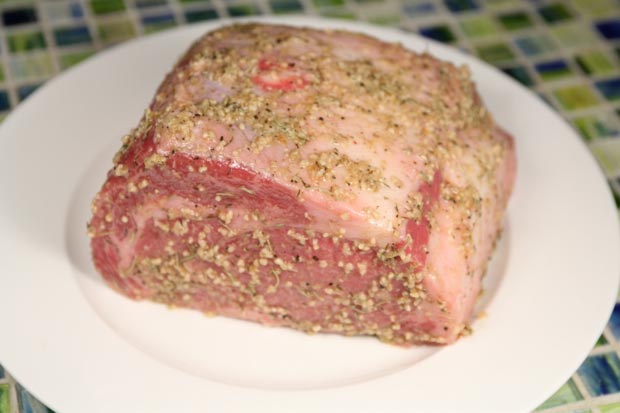
This Low Carb prime rib roast is about as keto as dinner gets: the meat is zero carb, and the horseradish-garlic rub adds barely a gram a serving. You sear it for a crust, then let a digital thermometer carry it to exactly the doneness you want. It is a showpiece roast with nothing on the plate to count but the sides you choose.
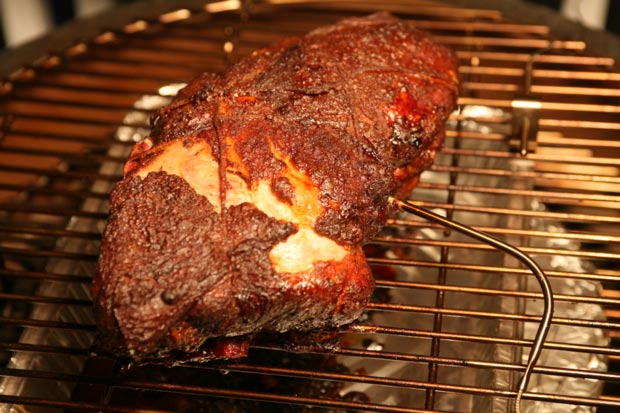
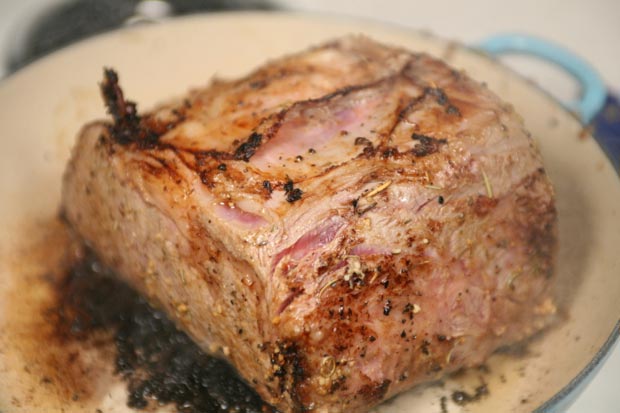
For someone who has been Living a Low Carb Lifestyle for over six years you would think I would be a master at roasting, but for some reason roasting has always scared me. I have only been exploring the world of roasting in the past couple years. I think what scares me about roasting is that the control of the outcome is all on the oven. With casseroles, grilling, and sauteing you have a lot more control over the meal. It wasn't until I purchased a digital thermometer that I felt capable of trusting my oven. Simply insert the thermometer into your roast, set the temperature, and it alarms when the roast is done. Last night I decided to test my oven's fate by making a classic Prime Rib roast. I chose to sear my rib roast before roasting to lock in the juices, which leaves you with less drippings for au jus, so you may want a little extra broth on hand.
Roast to temperature, not to the clock
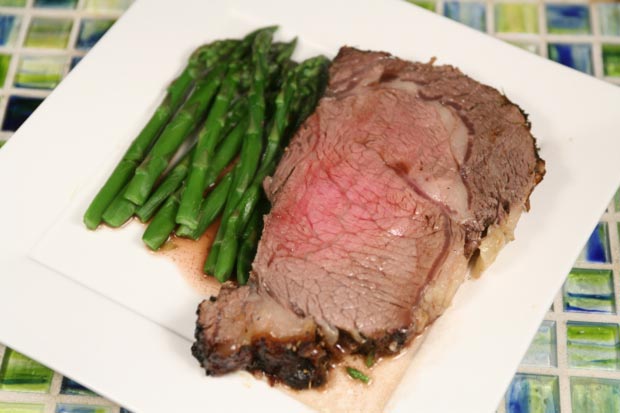
A prime rib lives or dies by its internal temperature, and this is where that digital thermometer earns its keep. Pull the roast about 10 degrees before your target, because a roast this size keeps cooking as it rests. Here is the guide I go by:
- Rare: pull at about 120°F, serving around 125 to 130°F after the rest.
- Medium-rare: pull at about 130°F, the classic prime rib doneness.
- Medium: pull at about 140°F.
For food safety, the USDA recommends a safe minimum of 145°F with a 3-minute rest for beef roasts. Rare and medium-rare fall below that line, which is a personal call most prime rib lovers make with an intact, seared cut; if you are cooking for anyone pregnant, very young, older, or with a weak immune system, take it to 145°F.
A low-carb au jus, no packet
Most au jus packets lean on flour or sugar, which undoes the point of a low carb roast. Make your own instead. After you sear, set the pan back on the heat, pour in a cup of beef broth and a splash of red wine, and scrape up the browned bits as it simmers. That is a clean, glossy jus with nothing to count. Au jus is the French term for that natural juice, and because searing first leaves little in the pan to deglaze, building it from broth is what makes it work on a seared roast. Round the plate out with a green bean casserole, a cobb salad, or a bowl of tomato bisque to start, and the whole dinner stays Low Carb. There are more Low Carb dinner recipes to build the rest of the menu around.
Sources:
USDA FoodData Central, nutrient reference for beef rib roast
USDA Food Safety and Inspection Service, safe minimum internal temperature for beef roasts
Sugarfreechic test kitchen, low-carb prime rib notes