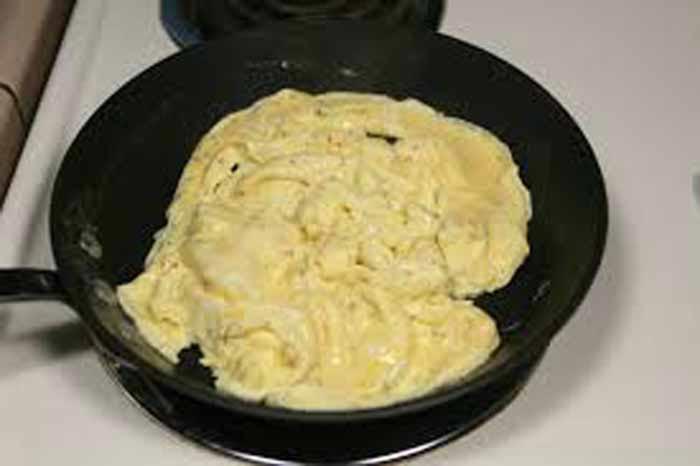
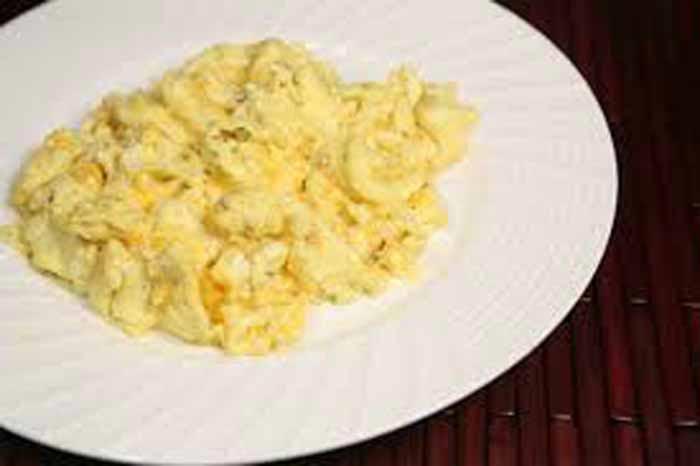
Knowing how to make scrambled eggs well is the backbone of low carb breakfast, and it is simpler than most people make it: eggs, cream, gentle heat, and good timing. Below is my fluffy method, the custardy French version for when you want something softer, and the fixes for the ways eggs go wrong.
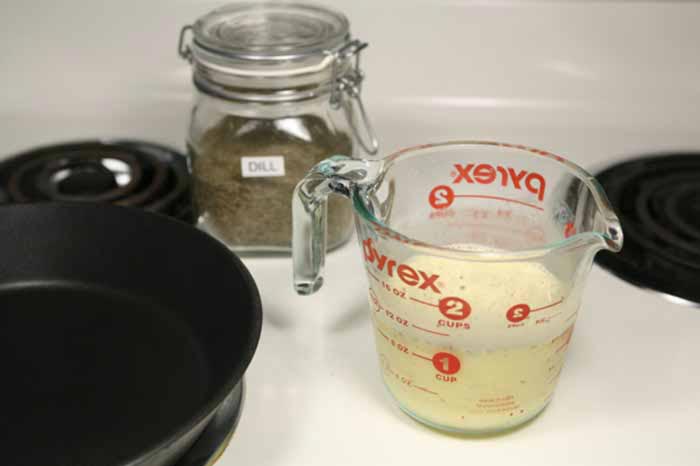
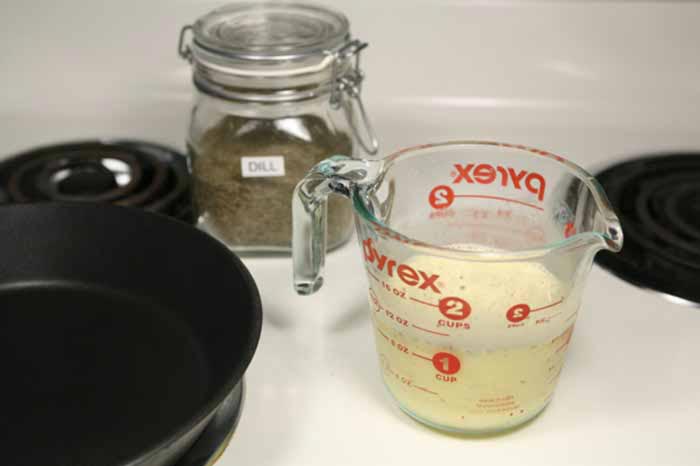
Scrambled eggs are a great way to start your morning as a Low Carber, but I have found that many people have a tough time making such a simple morning dish. You see you have to stick to the basics just eggs, cream, and a few spices. Cream in my opinion is a very important ingredient. You can't under any circumstance substitute cream for water. Your eggs will not be fluffy and not putting anything in your eggs will make your them tough and rubbery tasting. For spices I love to use dill weed in my scrambled eggs. They give the eggs a really yummy buttery taste without the butter.
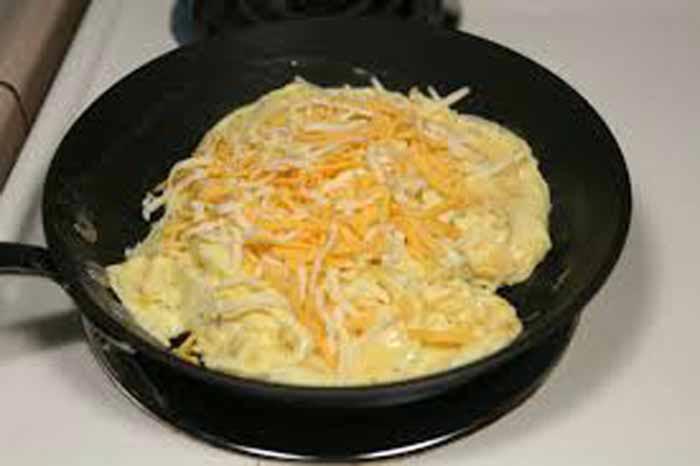
I also love to add cheese to my eggs, but if you add cheese to your eggs make sure to wait to add the cheese until they are almost set. If you add the cheese to early the eggs will separate and leave a weird watery appearance that will not present well or taste good either.
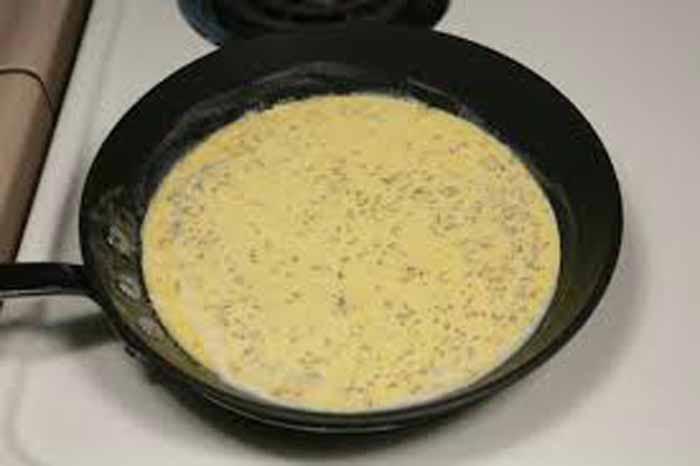
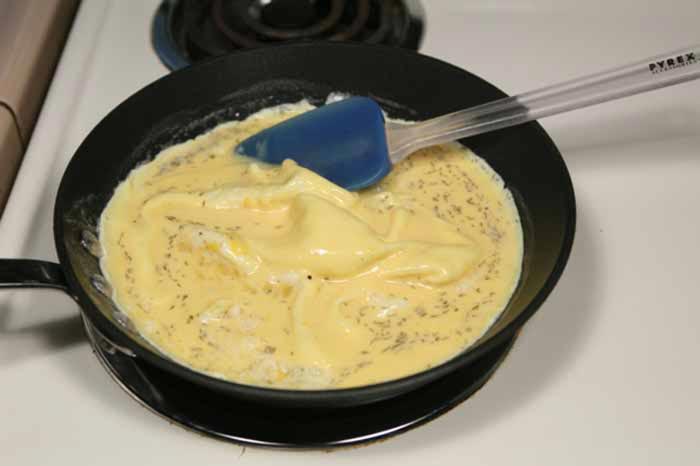
My technique with scrambling eggs is to mix the egg, cream and spices in a bowl before putting them in the saute pan as well. When you try to mix everything together in the sauté pan while cooking them at the same time they never turn out right because the whites and the yolks will cook separately. Follow these simple steps and you will always cook perfect fluffy scrambled eggs.
Two ways to scramble: American and French
The method above gives the fluffy, curdy scramble most of us grew up on, cooked over medium heat in a few minutes. French cooks go the other way entirely. Their oeufs brouilles are whisked into melted butter and stirred almost constantly over low heat for fifteen to twenty patient minutes, until the eggs set into a soft, custardy, almost porridge-like spoonful, then finished off the heat with a knob of cold butter or a splash of cream. Both are low-carb and both are right; one is fast and fluffy, the other slow and silky. Worth trying the French way on a quiet morning to see which texture you like.
Keep them soft, and keep them safe
However you scramble, heat is the thing to control. Lower than you think is almost always better, and the smartest move is to pull the eggs off the burner while they still look a touch underdone, since they keep cooking from their own heat for a few seconds after. That is how you dodge the dry, rubbery curds. One safety note, because soft scrambles leave the eggs barely set: if you are pregnant, older, or have a weak immune system, use pasteurized eggs or cook them firm, which the USDA puts at 160 degrees F. Serve a plate next to crispy baked bacon, fold the same eggs into bacon egg cups, or set them beside my low carb eggs benedict. Soft eggs are a cornerstone of my low carb breakfast guide.
Sources
USDA FoodData Central, nutrient references for eggs, cream, and cheese; safe egg cooking guidance.
Larousse Gastronomique, French method for oeufs brouilles.
Sugarfreechic test kitchen, low-carb egg notes.